
Accomodation
What We Do
We Make Nature Smile
When Nature smiles, so will you.
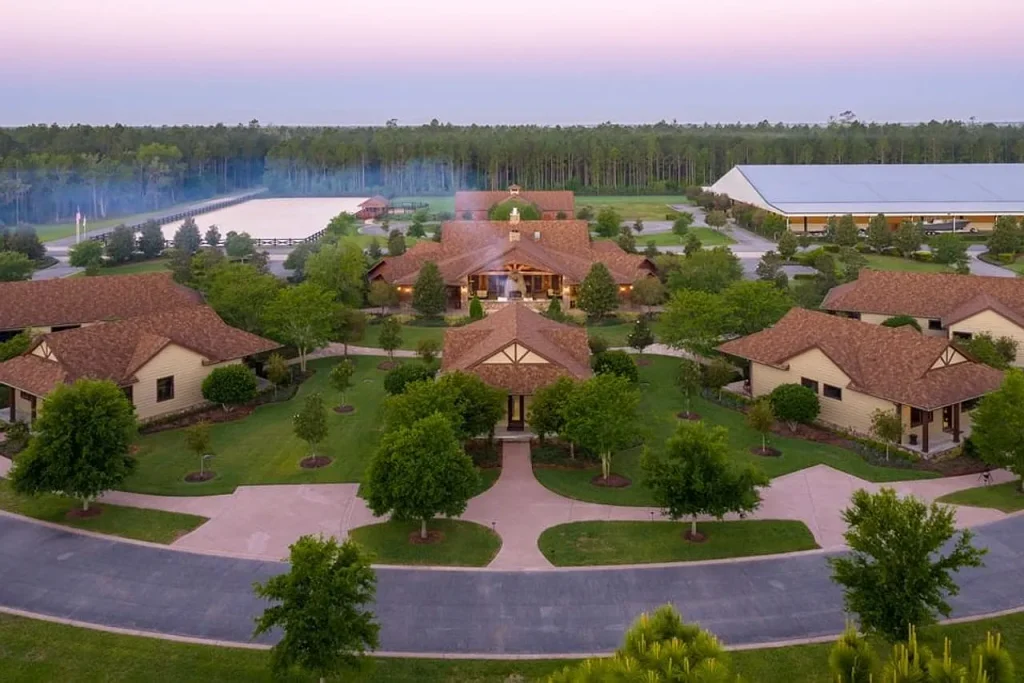
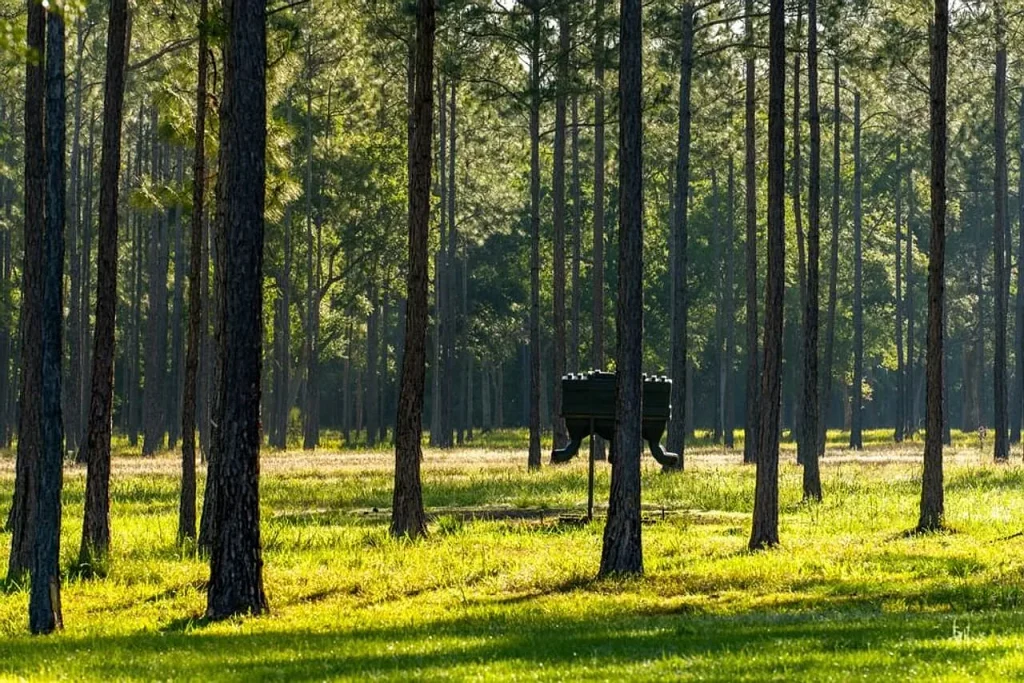
Come and enjoy our facilities, the wonderful cottages, the wildlife and the horse riding around out 5 thousand acres.
Services
Go along With Nature
Autumn Is a Second Spring
In northern Florida, autumn truly acts as a “second spring” because the relief from intense summer heat triggers a massive, vibrant burst of wildflower blooms and active wildlife rather than a traditional northern shutdown. While the rest of the continent prepares for winter hibernation, Florida’s ecosystems experience a revitalizing awakening.
The region earns this poetic descriptor—originally coined by philosopher Albert Camus—through several unique environmental shifts:
- Wildflower Explosions: Rather than just losing leaves, northern Florida’s fields, state parks, and roadsides burst into full, spectacular color with native fall wildflowers.
- Deciduous Foliage: Unlike the evergreen southern peninsula, North Florida actually experiences distinct, beautiful foliage shifts. Native trees like the sweetgum, red maple, bald cypress, and crape myrtles peak in late November and early December with brilliant golds, oranges, and burgundies.
- The Breakdown of Heat: True autumn weather takes longer to arrive here, typically settling in by late October or November. This crisp drop in humidity acts as a biological second wind for local flora.
- Predator and Pollinator Activity: The explosion of autumn flowers brings out heavy pollinator traffic. This creates a perfectly timed feast for native wildlife, such as bright green lynx spiders awaiting their prey just in time for Halloween.
The Literary Origin
While gardeners use the phrase literally, Albert Camus originally wrote the line “Autumn is a second spring when every leaf is a flower” in his sombre 1944 play, The Misunderstanding (Le Malentendu). As users on Reddit point out, it appears in Act 2 of the text, written to describe a dark landscape where the seasons blur. In North Florida, however, locals have repurposed the quote to perfectly capture the vibrant reality of their unique autumn awakening.
Look Deep Into Nature
Deep Nature Destinations (Green):
- Wakulla Springs State Park
- Torreya State Park
- Wesley C. Skiles Peacock Springs State Park
- Devil’s Millhopper Geological State Park
When you look deep into the nature of Northern Florida—past the highway corridors and beneath the surface—you see a wild, ancient landscape shaped entirely by water, limestone, and fire. It is a world of sharp contrasts, where pitch-black subterranean rivers flow just beneath brilliant turquoise basins, and rugged, steep ravines slice through flat pine forests.
🌌 The Subterranean World: A Hidden Swiss Cheese
Look beneath the surface, and you see that Northern Florida is cast over a massive limestone shelf carved out like Swiss cheese. At Peacock Springs, you look down into small, inconspicuous basins in the woods that open up into thousands of feet of mapped underwater cave passages. At Wakulla Springs, you see deep, dark water where prehistoric mastodon bones have been recovered, highlighting a flooded underworld that holds the state’s purest drinking water.
🐊 Microscopic and Monolithic Wildlife
Look into the quiet backwaters and river edges, and you see an intricate food web in motion:
The Miniature Hunters: Bright green lynx spiders perched on golden autumn wildflowers, and sticky sundew plants trapping insects right on the damp soil.
The Sentinels: Ancient American alligators and heavy-bodied alligator snapping turtles camouflaged perfectly as submerged logs.
The Gentle Giants: West Indian manatees huddling in the constant 72°F (22°C) spring waters to survive colder winter snaps.
Study Nature, Love Nature
Nature in Northern Florida is incredibly rewarding because the landscape is vastly different from the rest of the state. Instead of just palm trees and beaches, you are met with rolling clay hills, massive underground cave systems, ancient hardwood forests, and the highest concentration of freshwater springs on earth.
Whether you want to learn local tree identification, join a structured program, or just immerse yourself in the wilderness, Northern Florida acts as an exceptional living classroom.
Just Let It Rain
Rain in Northern Florida breathes life back into the ecosystem by instantly recharging the world’s largest freshwater springs, awakening rare wildlife, and washing local forests in a unique “swamp tea” that fuels coastal marine life.
Here is the good that happens when the skies open up:
💧 The Springs Get a Powerful Recharge
Northern Florida boasts the highest concentration of artesian springs on Earth. Rainfall filters down through the sandy soil and porous limestone to directly replenish the Floridan Aquifer. This fresh influx increases underground water pressure, ensuring that iconic rivers and springs like Wakulla, Ichetucknee, and Silver Glen keep gushing millions of gallons of crystal-clear water daily. Without regular rain, these majestic, turquoise swimming holes would lose their flow.
🐸 A Lifeline for Rare Wildlife
In the pine flatwoods, rain fills up temporary, shallow basins known as ephemeral wetlands. Because these pools dry up periodically, they contain zero predatory fish. For highly specialized, endangered local amphibians like the frogs and flatwoods salamander, this is a paradise. The rainfall signals them to emerge from underground burrows to breed, giving their tadpoles a perfectly safe, fish-free “nursery” to grow up in.
🫖 “Swamp Tea” Nourishes the Coast
When rain drenches Northern Florida’s massive hardwood swamps and pine forests, it picks up organic matter, leaves, and twigs. As this water drains into local rivers, it turns a deep, dark amber color—often called tannic water or “swamp tea.” While it looks murky, this tannic runoff is incredibly rich in nutrients. When it flows into coastal estuaries like Apalachicola Bay, it delivers a massive feast of organic nutrients that fuels the growth of local oysters, crabs, and shrimp.
🌡️ The Ultimate Summer Cool-Down
On a human level, North Florida’s torrential summer rains bring immense physical relief. Driven by colliding sea breezes, a heavy afternoon downpour can drop local temperatures by 10 to 15 degrees Fahrenheit in less than an hour. It completely breaks the stifling humidity, clearing out the heavy air and leaving behind crisp, refreshed, and beautifully cool evening weather.
🍄 The Forest Floor Awakens
For nature lovers, a good rain triggers an explosion of color on the forest floor. Within 24 to 48 hours of a heavy storm, North Florida’s damp woods burst with a massive variety of wild mushrooms and fungi, alongside a vibrant revival of native ferns, mosses, and resurrection ferns that instantly turn from brittle brown to brilliant green.
Would you like to know the best places to see the blooming resurrection ferns after a rain, or are you looking for the best indoor nature museums in North Florida to stay dry while learning about this unique geology?